
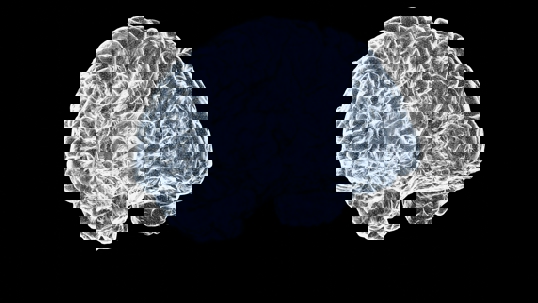
Traumatic brain injuries (TBIs) occur when a sudden impact or jolt causes damage to the brain. These injuries can range from mild concussions to severe conditions that may result in long-term disability. Understanding the different types of TBIs can help you identify the symptoms and seek appropriate treatment.
Concussion
A concussion is the most common type of TBI. It occurs when the brain experiences a sudden jolt or impact, causing it to move inside the skull. This type of injury may not show up on scans, but it can cause temporary confusion, dizziness, headaches, and nausea. Most people recover from a concussion with rest, but repeated concussions can lead to long-term issues like chronic traumatic encephalopathy (CTE).
Contusion
A contusion is a bruise on the brain, similar to a bruise on the skin. It happens when the brain hits the inside of the skull due to a sudden impact. Symptoms of a contusion may include loss of consciousness, memory problems, headaches, or difficulty with coordination. In severe cases, a contusion may lead to brain swelling, which can worsen the injury.
Diffuse axonal injury (DAI)
Diffuse axonal injury occurs when the brain’s long connecting fibers, called axons, are torn due to the brain rapidly shifting inside the skull. This injury often happens in high-speed accidents, such as car crashes or falls. DAI can lead to widespread brain damage and can result in coma or permanent brain damage. Recovery from this type of injury can be very challenging.
Penetrating brain injury
A penetrating brain injury happens when an object, such as a bullet or sharp object, enters the skull and damages brain tissue. This type of injury can cause significant harm, depending on where the object enters and how deeply it penetrates. It often leads to serious complications, including loss of motor function, speech, or vision.
Coup-contrecoup injury
A coup-contrecoup injury involves two areas of the brain being injured. The coup injury occurs at the site of impact, while the contrecoup injury happens on the opposite side of the brain. This type of injury is common in head-on collisions or falls, where the brain is violently shaken inside the skull.
Traumatic brain injuries can vary significantly in severity and impact on the individual. If you or someone you know experiences a blow to the head, it’s important to seek medical attention, even if symptoms seem mild at first. Early diagnosis and treatment are essential to prevent long-term damage.