
Car accidents can be stressful, confusing, and life-changing. Determining who is at fault is one of the most important steps in recovering compensation for injuries, property damage, and lost income. In today’s world, technology like traffic cameras and GPS data can play a key role in establishing liability in a Texas car crash. Understanding how these tools work can help you protect your rights and strengthen your case.
The Role of Traffic Cameras in Texas Car Accidents
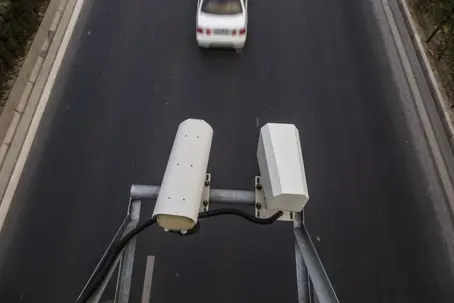
Traffic cameras are increasingly common at intersections, highways, and busy streets across Texas. These cameras can record important details such as vehicle speed, traffic light patterns, and the behavior of drivers leading up to a collision. When a crash occurs, footage from traffic cameras can provide an objective account of what happened, offering critical evidence for insurance companies, lawyers, and courts.
For example, traffic camera recordings can show whether a driver ran a red light, failed to stop at a stop sign, or engaged in reckless driving. This type of evidence is especially valuable when witnesses are unavailable or provide conflicting statements. By reviewing traffic camera footage, attorneys can more clearly reconstruct the events of the crash, which may significantly influence liability determinations.
How GPS Data Can Support Your Case
Many vehicles, smartphones, and navigation apps track location data using GPS technology. In the event of an accident, GPS data can reveal information such as speed, location, direction of travel, and even braking patterns prior to the crash. This type of evidence can help corroborate your account of the accident and challenge inaccurate claims made by other drivers or insurance companies.
GPS data is particularly useful in accidents that occur on highways, rural roads, or complex intersections where liability may be disputed. By analyzing GPS information, attorneys can determine factors like whether a driver was speeding, swerving, or failing to follow traffic laws. When combined with traffic camera footage, GPS data can provide a detailed picture of the events leading to a collision, making it harder for negligent parties to avoid responsibility.
Why Evidence Matters in Determining Liability
In Texas, liability in car accidents is often determined using the principle of comparative negligence. This means that multiple parties can share responsibility for a crash, and the degree of fault influences the compensation awarded. Evidence from traffic cameras and GPS data can help establish which driver was primarily at fault and support a stronger claim for damages.
Without clear evidence, insurance companies may attempt to minimize payouts or shift blame. That’s why gathering and preserving objective evidence, such as camera footage and GPS records, is essential. Experienced personal injury attorneys can request this information promptly and ensure it is properly documented for your case.
Car Accident Attorney Royse City
If you’ve been injured in a car accident in Texas, taking immediate action is critical. Collecting evidence, reporting the crash to law enforcement, and seeking medical care are all important steps. An experienced attorney can help you navigate the process, analyze traffic camera and GPS data, and fight for the compensation you deserve.
At Vice Henley & Dilbeck, we understand how stressful and complicated car accident cases can be. Our team is committed to standing shoulder to shoulder with our clients, gathering every piece of evidence, and holding negligent drivers accountable. If you or a loved one has been injured in a car crash, contact us today at (469) 331-3719 for a free consultation to learn how we can help.