
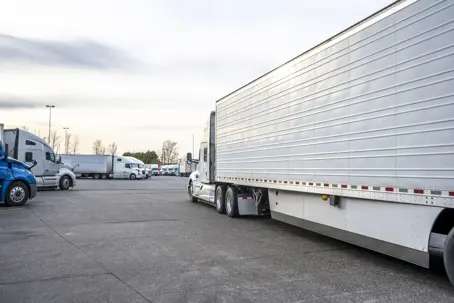
A collision involving a commercial truck is different from an ordinary passenger-vehicle crash. The size and weight of a tractor-trailer can create devastating consequences, but the legal issues may also be more complicated.
When a truck crash happens in or around Royse City, the investigation may involve more than determining which driver was behind the wheel. Depending on the circumstances, attorneys may need to examine the trucking company, driver records, vehicle maintenance, dispatch information, electronic logging data, and federal safety requirements.
Federal trucking regulations can become an important piece of that investigation.
These rules govern commercial motor carriers and drivers in situations covered by federal regulations. If a trucking company or driver violated an applicable requirement, that violation does not automatically prove liability for an injury. However, it may provide important evidence about how the crash happened and whether someone failed to follow required safety practices.
What Are Federal Trucking Regulations?
The Federal Motor Carrier Safety Administration, or FMCSA, oversees many federal regulations applicable to commercial motor carriers and drivers.
The regulations cover a range of safety issues. These can include driver qualification, hours of service, vehicle inspections, maintenance, cargo securement, and other operational requirements.
The applicable rules may depend on the type of vehicle, the nature of the transportation, and other circumstances. This is one reason truck accident claims often require a detailed investigation rather than relying only on what the drivers say happened.
For an injured person, the important question is not simply whether a trucking regulation exists. The question is whether a particular rule applies to the crash and whether the available evidence shows that it was violated or otherwise relevant.
Hours-of-Service Rules Can Matter
Fatigue can be a serious concern for commercial drivers who spend long periods behind the wheel. Federal hours-of-service rules place limits on driving and on-duty time for certain commercial motor vehicle drivers.
For example, federal rules generally allow certain property-carrying commercial drivers to drive up to 11 hours after 10 consecutive hours off duty, within a 14-hour workday. Other limits and exceptions can apply depending on the circumstances. (FMCSA)
These requirements can become significant after a truck collision.
If there is reason to believe a driver was operating beyond applicable hours-of-service limits, an investigation may look at the driver’s records and other evidence to determine how long the driver had been working and driving before the collision.
That information can help establish a more complete timeline.
Electronic Logging Devices May Preserve Important Information
Many commercial drivers who are required to maintain duty status records must use electronic logging devices, commonly called ELDs. These devices are designed to automatically record driving time and support more accurate hours-of-service recordkeeping. (FMCSA)
ELD data can be a useful source of evidence in a truck accident investigation.
For example, an attorney may want to examine records relating to the driver’s hours, duty status, and other available information surrounding the trip. The purpose is not simply to search for a technical violation. It is to determine whether the evidence helps explain the driver’s condition, schedule, or actions leading up to the crash.
Because electronic information can be important and may be held by a trucking company or other party, preserving evidence early can be critical.
Maintenance and Inspection Records May Tell Another Part of the Story
A truck crash is not always caused by driver behavior. Mechanical problems can also contribute.
Federal regulations address certain inspection, repair, and maintenance responsibilities for commercial motor vehicles. If a truck had a mechanical issue that contributed to a crash, records concerning inspections, repairs, maintenance, or reported defects may become relevant.
Consider a situation where a commercial truck loses control after a mechanical component fails. Determining why that component failed may require more than examining the vehicle after the crash. An investigation may need to look at the truck’s maintenance history and whether problems were previously identified.
Those records can help establish a timeline and identify questions that deserve further investigation.
The Trucking Company May Be Part of the Investigation
It is easy to focus entirely on the truck driver after a collision. However, a commercial trucking operation may involve multiple people and entities.
Depending on the circumstances, a claim may require an examination of the trucking company’s hiring practices, training, supervision, scheduling, maintenance procedures, or other decisions. There may also be additional companies involved in ownership, transportation, loading, maintenance, or logistics.
That does not mean every company connected to a truck is legally responsible for a crash. Responsibility depends on the facts and applicable law.
A thorough investigation is important because identifying the correct parties can affect how an injury claim proceeds.
Federal Regulations Do Not Replace Texas Personal Injury Law
Federal trucking regulations are only one part of a truck accident case.
An injured person generally must still establish the legal elements necessary for a personal injury claim under the applicable law. Evidence of a regulatory violation may be helpful, but it does not automatically determine the outcome of a case.
This distinction matters because truck accident claims can involve overlapping federal and state rules. The specific facts may determine which regulations apply, which parties can be held responsible, and what evidence is needed.
What Should You Do After a Truck Accident?
If you are involved in a collision with a commercial truck, seek medical attention and report the crash to the appropriate authorities.
If possible, preserve information about the collision. Take photographs, identify witnesses, save medical records and bills, and keep information about lost wages or other financial effects.
Do not assume that the trucking company’s insurer will investigate the crash from your perspective. A commercial carrier and its insurance representatives may begin collecting information quickly.
An attorney can help determine which evidence may need to be preserved, including information held by the trucking company or other parties.
How Vice Henley & Dilbeck Can Help After a Truck Crash
Truck accident claims can require a deeper investigation than many ordinary motor vehicle cases. At Vice Henley & Dilbeck, we understand that injured clients need more than a quick answer from an insurance adjuster. They need someone willing to examine the details and stand up for their interests.
Our attorneys represent people injured in truck accidents and other serious personal injury matters. We work to understand how a crash occurred, identify the parties involved, examine available evidence, and pursue the legal options available to our clients.
If you or someone you love was injured in a commercial truck collision in Royse City or the surrounding East Texas area, do not assume you have to handle the process alone.
Contact Vice Henley & Dilbeck at (469) 331-3719 to schedule a free consultation and discuss your potential claim.